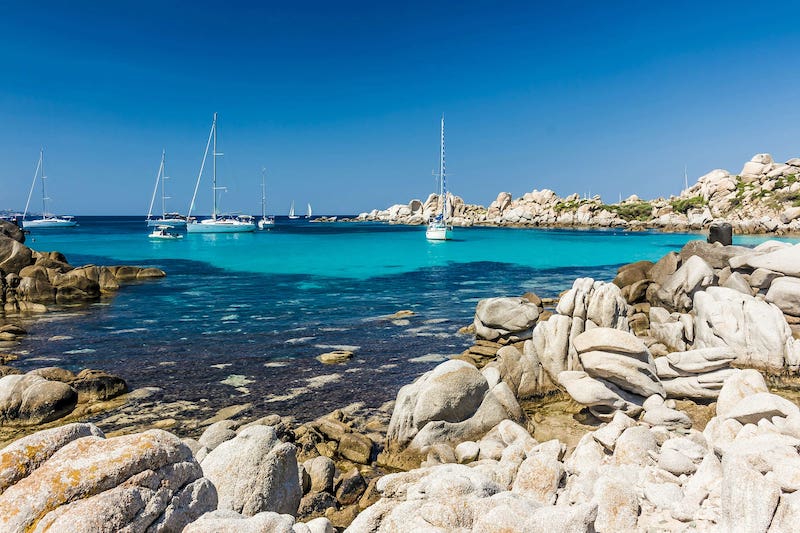

Heading down to Portugal from a French or Spanish base, most owners think of the Algarve as the destination and forget that the real cruise starts the moment you round Cape St Vincent. The 450 nautical miles from Lagos up to Porto cover three distinct sea states, two cape passages with real reputations, and a coastline where summer afternoons can flip from glassy to thirty knots in under an hour. Done well, it is one of the most varied passages in Western Europe. Done badly, it teaches you why the Portuguese call the northwesterly the Nortada with a certain weariness.
Reading the coast before you cast off
The Portuguese seaboard splits cleanly into three legs. The Algarve, from the Spanish border to Cape St Vincent, runs east to west and sits in the lee of the trade winds. The Atlantic coast from Sagres to Cabo da Roca turns sharply north, exposed to long Atlantic swell. From Cabo da Roca up to the Douro estuary, you are on an open, ports-of-refuge coast where the Nortada blows fifteen to thirty knots almost every summer afternoon, dying overnight and rebuilding by lunchtime.
Plan north-to-south if you can. Most charter operators and delivery skippers go the other way (south-to-north) because they have to, fighting the prevailing wind and current in short hops between marinas. If you have the schedule, run from Porto down: you sail, you do not motor into a swell. If you are coming from the Bay of Biscay or the Med, a careful reading of GRIBs and Iberian swell forecasts matters more than usual. The Atlantic swell here often runs at 2 to 3 metres at 10 to 12 seconds even on a "calm" day, and that has consequences for bar entries north of Lisbon.
Before you leave, do the paperwork properly. Portugal is part of Schengen but the maritime formalities (DGAM declarations on arrival at the first Portuguese port, vignette for the Douro, AIS expectations) are taken more seriously than in some Mediterranean countries. Our guide to formalities and practical advice for travelling by boat covers the documents you should have ready before you raise the Q flag.
The Algarve: Vilamoura to Sagres
The eastern Algarve, from Vila Real de Santo António to Faro, is shallow, sandy and dotted with the Ria Formosa lagoon system. It is a place to gunkhole, not to make miles. The bar entries at Olhão and Faro need attention at low water springs with any swell running, and the inner channels shift; chart updates and a recent track on the plotter are worth more than the printed pilot.
From Vilamoura west, the coast steepens into the ochre cliffs that put the Algarve on postcards. The classic stops are well known:
- Vilamoura: large, well-equipped marina, fuel dock, chandlery, easy provisioning. The natural staging point for the cape.
- Albufeira: marina is tight in season, anchoring just east of the breakwater works in settled weather.
- Portimão: a serious commercial and yacht port, deep all-tide entry, the safest place on the Algarve to sit out a south-westerly.
- Lagos: probably the best base if you are leaving the boat for a few weeks. The marina is sheltered and the town earns its reputation.
- Sagres / Baleeira: the last anchorage before the cape, useful if you want to round St Vincent at first light.
The cape itself is straightforward in good conditions but produces its own acceleration zone. A 15-knot forecast offshore routinely shows 25 knots within two miles of the headland, with a steep wind-against-tide chop on a north-going stream. Round it early. Listen to Cabo de S. Vicente radio on VHF 11.
The west coast up to Cascais
Once you turn north past Sagres, the character of the cruise changes entirely. This is open Atlantic. The coast between Sines and Cabo Espichel has limited shelter, the swell is unfiltered, and what looks like a short hop on the chart can become a long, wet day if the Nortada builds.
The realistic stops are:
- Sines: a large industrial port with a yacht marina tucked inside. Not pretty, but bulletproof shelter and an obvious overnight after rounding the cape.
- Setúbal: enter via the Sado estuary, watch the cross-currents around the bar. The town is underrated and the resident dolphins are a genuine bonus.
- Sesimbra: open roadstead anchorage in a northerly, comfortable in the prevailing wind, exposed if it backs south.
- Cascais: the gateway to Lisbon, busy marina, easy access by train into the city.
This is the stretch where engine reliability stops being a theoretical concern. Once you are committed between Sines and Sesimbra, your options thin out. Before a passage like this, it is worth doing a proper engine check rather than the usual oil-and-water glance: coolant condition, raw-water impeller hours, fuel filter pressure drop, alternator output under load. If your NMEA network is exposing those parameters, use it. We cover the key readings in what sensors to monitor to avoid engine failures. A failed impeller off Cabo Espichel in a building Nortada is a story you do not want to dine out on.
Lisbon and the Tagus
Entering the Tagus is one of the best arrivals in Europe. The bar is well-marked, deep, and works in almost any conditions, though the ebb against a fresh westerly can build a short, awkward sea between Cascais and São Julião. Time your entry for the flood if you can, especially in a displacement boat.
Inside the river you have real choice. Doca de Alcântara sits right under the 25 de Abril bridge with the city on your doorstep. Doca de Belém is smaller and closer to the monuments. Parque das Nações, further upriver past the airport, is modern and quiet, with the Vasco da Gama bridge as a memorable backdrop. Marina prices in Lisbon have climbed sharply, and high-season berths get booked weeks ahead; if you are arriving late in the day in July or August, do not rely on walking in. Our piece on how to find a berth quickly is worth a read before you commit to a Lisbon stopover.
Lisbon is also where boat security becomes a real topic. The marinas themselves are well run, but yachts left unattended for a week or two are an obvious target, particularly tenders and outboards. Standard sensible practice applies: lift the dinghy at night, lock the outboard, keep an eye on AIS history, and consider whether your boat is genuinely monitored when you walk away from it.
Cascais to Figueira da Foz
North of Cabo da Roca (the westernmost point of continental Europe) the coast straightens and the harbours space out. This is the Nortada's home territory. In July and August, expect a daily cycle: calm at dawn, 10 knots by 1000, 20 to 25 by 1500, dropping after sunset. A north-bound passage in those conditions is a punishment; a south-bound one is glorious downwind sailing with a 2-metre quartering swell.
Key ports, in order:
- Peniche: large fishing port with a small marina, useful refuge, scruffy charm. The Berlengas islands ten miles offshore deserve a day stop in settled weather.
- Nazaré: yes, that Nazaré. The big-wave canyon focuses Atlantic swell onto the beach just north of the harbour. The marina itself is well-protected behind a long breakwater, but the entry needs respect with any westerly groundswell running, even outside the surf season.
- Figueira da Foz: bar entry at the mouth of the Mondego, marked but tide-sensitive. The marina is sheltered and the town pleasant.
The bar entries on this coast are the single biggest planning factor. Most Portuguese marinas north of Lisbon sit behind a river bar, and those bars become impassable in onshore swell. Capitania do Porto issues "barra fechada" closures on VHF; respect them. If in doubt, push on to the next deep-water entrance, even if it costs you another fifty miles.
Approaching Porto and the Douro
The Douro estuary is the prize, and it is genuinely tricky. The bar has shifted historically, the channel is narrow, and the river current can run at 3 knots on the ebb after rain inland. The marina at Leixões, four miles north, is the all-weather alternative and the place where almost every cruising yacht arrives first. From Leixões, you take a taxi or train into Porto, or, if conditions allow and your draft suits, you enter the Douro on the flood with local advice.
Inside the Douro, Marina do Freixo sits a few miles upriver and offers a calm berth with views of the terraced vineyards. Going further up the river towards the Régua and Pinhão locks is possible with the right paperwork and the right boat (height under the bridges matters), and turns the trip from a coastal cruise into something quite different.
If this whole Atlantic coast feels like a bigger undertaking than your usual season, that is because it is. It rewards owners who like routing decisions and tide tables. For a wider view of where this passage sits in the European cruising picture, our overview on where to go on a cruise in Europe with your boat puts it next to the alternatives.
Making the passage easier
The Portuguese coast is not a place to improvise. It rewards owners who know their boat's fuel burn at cruising RPM, who have their engine data in front of them rather than guessed at, who track weather windows methodically, and who can leave the boat in a marina for a week without wondering whether the bilge pump cycled six times overnight. The Oria Box exists because that last category, knowing what your boat did while you were not on board, used to require trust and now does not. Voyage replays are particularly useful on a coast like this: you finish the season with a precise record of which bar entry worked at what tide state, and next year you start ahead of where you finished. What would you check first on your boat before committing to a Sagres-to-Porto delivery in August?